Pump-out reminders that go out, tickets that get billed
A septic customer needs you every few years, which makes them easy to lose. We connect your website and septic software to QuickBooks so the reminder goes out and the books match the tickets.
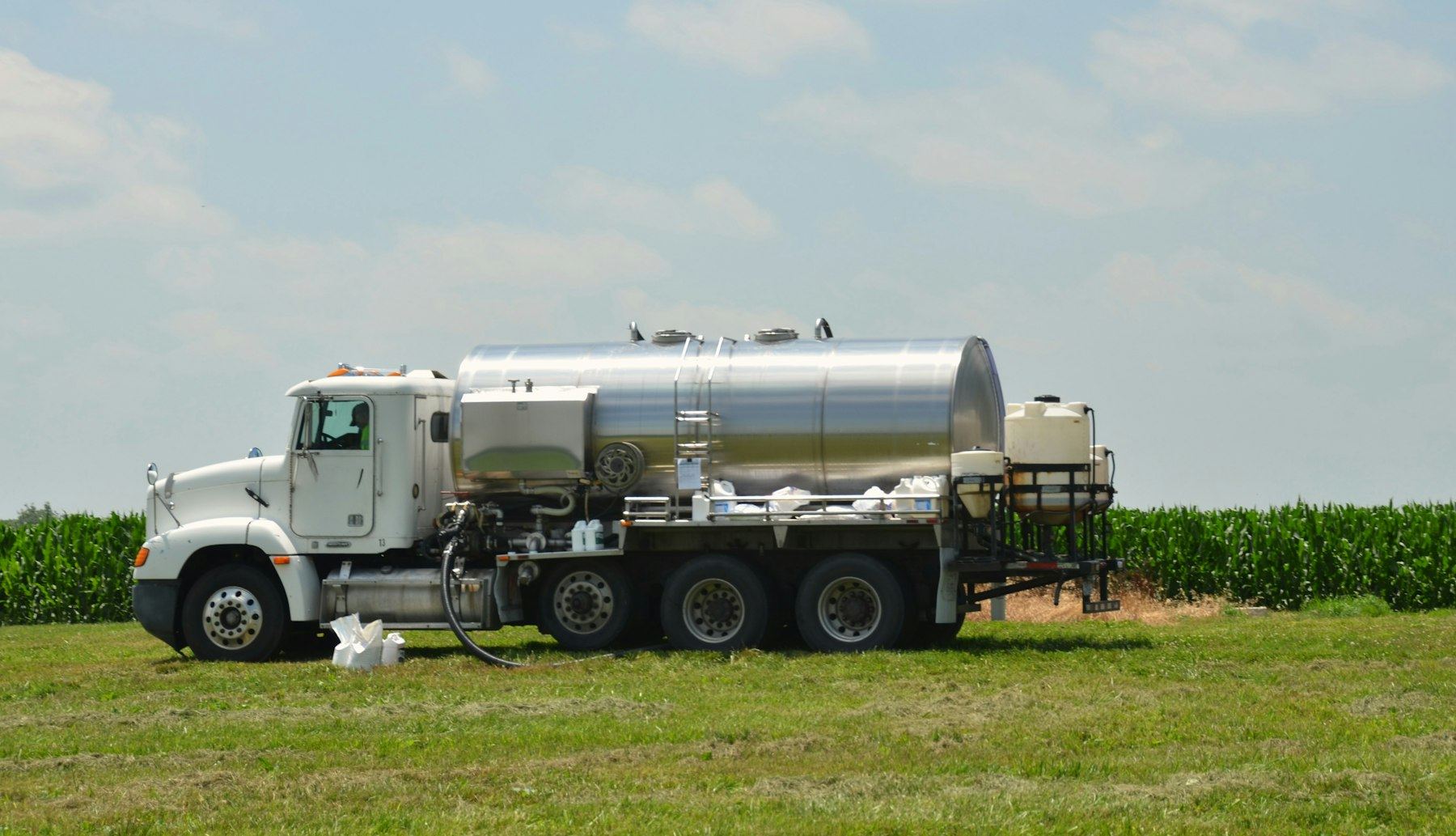
Where the office leaks in septic companies.
Most of these never show up as a single big problem. They show up as a slow month that should have been a good one.
Customers who forget you exist
The EPA says household tanks are typically pumped every three to five years. That is long enough for a customer to forget your name and search for whoever comes up first. We set up reminders off the last pump date in your software, so the tank record does the remembering.
Inspection requests on a closing deadline
A real estate agent who needs an inspection before a closing will book the first company that answers. If the request sits in voicemail until the truck is back, the job is gone. We route inspection requests from the website into your schedule with the closing date on them.
Tickets finished and never invoiced
A driver pumps four tanks, writes four tickets, and one stays on the dashboard. Paper tickets also hide the extras, like digging to find a lid or hauling a second load. We match completed jobs to invoices every morning so an unbilled pump-out shows up the next day.
Disposal fees that never reach the job
Every load costs you at the treatment plant or the land application site, and that fee is often paid on a monthly statement. When it is never tied back to jobs, you cannot tell which runs lose money. We code disposal as a cost of the work so the margin per load is visible.
We work in what you already run.
Pumping companies often run septic-specific software such as ServiceCore or Tank Track, which keep tank details and service history by address. Smaller shops, and those that also install or repair systems, may run a general tool such as Jobber or Housecall Pro. Some septic offices still keep QuickBooks Desktop, and Smart Service is built to work with it.
- ServiceCore
- Tank Track
- Smart Service
- Jobber
- Housecall Pro
- QuickBooks Online
- QuickBooks Desktop
A connected week at a 12-person septic company.
An example of what a septic office looks like when the website, job software and QuickBooks are connected and checked each morning. Nobody retypes anything.
- The morning check lists the tanks coming due next month and confirms last Friday's tickets all have invoices.
- An agent submits the inspection form on the website with a closing date, and it appears in the septic software as a request.
- The office schedules the inspection for Wednesday and the seller gets a confirmation text.
- The inspector finishes, the tank is pumped as part of the visit, and the driver closes the ticket on a tablet.
- The invoice posts to QuickBooks with inspection and pumping on separate lines, and the disposal fee is tagged to the load.
- The morning check shows the invoice paid by card and the tank record updated with a new pump date.OK
Books that match how septic companies make money.
Septic books need to keep pumping apart from inspections and from install or repair work. Pumping is quick cash with a disposal fee attached to every load. Installs run for weeks, take deposits and involve permits and subcontracted excavation, so they need job costing or you will not know whether a system made money. Deposits are held as a liability until the work is done. The vacuum truck gets its own fuel and repair lines so you can see what it costs to keep on the road. Sales tax on septic work differs by state and sometimes between pumping and installation, so we set QuickBooks to follow the rule your CPA confirms. We keep the books and your CPA files the taxes.
- Income: Septic pumping
- Income: Inspections
- Income: Installs and repairs
- Liability: Customer deposits (installs)
- Cost of service: Disposal and tipping fees
- Cost of service: Permits and design fees
- Cost of service: Subcontracted excavation
- Expense: Vacuum truck fuel and repairs
| Job | Margin |
|---|---|
| Pump-out, 1,000 gal | 54% |
| Transfer inspection | 60% |
| Riser and lid install | 53% |
| Grease trap, restaurant | 57% |
| Leach field repair | 12% |
| 5 jobs | 23% |
A site that books the next call.
Most people only think about their septic system when it backs up or when they are selling the house. The site has to work for both: an emergency number that is tappable on a phone, and a clear way to request an inspection with a closing date. It also needs to say which towns you cover, because inspection and licensing rules are set state by state and sometimes county by county.
- An emergency line at the top of every page
- A pump-out request form that asks for tank size and last pump date
- A real estate inspection page naming the inspection your state requires
- Service area pages by town or county
- Your state or county pumper and inspector license details
Example search result.
Numbers worth watching.
- Tanks due for pumping in the next 90 days
- This is work you have already earned the right to ask for, sitting in your own records.
- Loads per truck per day
- A vacuum truck only earns when it is pumping.
- Disposal cost per load
- Tipping fees change, and a price set two years ago may no longer cover them.
- Inspection requests answered the same day
- Agents on a closing deadline book whoever responds first.
- Unbilled tickets
- A pump-out with no invoice is free work.
The season.
In cold states the ground sets the calendar. Pumper magazine has profiled northern companies that do only a minority of their pumping and inspections in winter, when frozen ground and buried lids slow every stop. Work bunches into the warmer months, when you are also fitting inspections around home sales. Massachusetts even allows a Title 5 inspection to be completed after the sale when weather prevents it beforehand. For cash, the busy months have to carry truck payments through the quiet ones, and install deposits can make a bank balance look better than it is. We keep deposits separate in the books and send pump-out reminders early enough in the fall to fill the schedule before the freeze.
Questions septic owners ask.
We still run QuickBooks Desktop. Can you work with that?
Yes. Some septic tools connect to Desktop, and where an official connection does not exist we can script the transfer. If you want to move to QuickBooks Online later, we can plan that as its own step.
Can you send pump-out reminders from our tank records?
Yes, as long as the last pump date is in your software or can be loaded into it. We set the reminder interval you choose per customer. The EPA's three to five year range is a typical starting point for household tanks, and tank size and household use move it.
Do you file our pumping reports or handle licensing?
No. Pumper licensing and reporting rules are set by states and sometimes by counties, and they stay with you. We can make sure the job data those reports need is recorded once and is easy to pull.
How do you handle install deposits in the books?
A deposit is recorded as money owed to the customer until the work is done, then moved to income against that job's costs. That way a month with three new deposits does not look like a record month. Monthly bookkeeping starts at $175.
Sources
- EPA: how to care for your septic system (inspection and pumping intervals)
- Mass.gov: buying or selling property with a septic system (Title 5 inspections at transfer, weather delay)
- Oklahoma DEQ: licensed septage pumpers and transporters (example of state licensing)
- ServiceTitan licensing guide: Georgia septic (state certification tied to a county septage removal permit)
- Pumper: northern pumpers bid farewell to winter woes
- Pumper: strategies for the challenges of winter pumping
- ServiceCore: septic business software
- Tank Track
- Smart Service: septic tank service software for QuickBooks
- Avalara: state-by-state guide to sales tax on services
Start with a free systems check.
Twenty minutes on a call. You get a written list of what we found and a fixed quote, whether or not you hire us.
- Fixed price, quoted before any work starts
- Every account stays in your name
- Month to month after the first three months