From first measure to final payment, with nothing retyped
A fence job passes through a quote, a deposit, a material order, a few approvals and a build before the last check arrives. We connect your website, quoting tool and QuickBooks so the job moves through those steps without anyone copying it by hand.
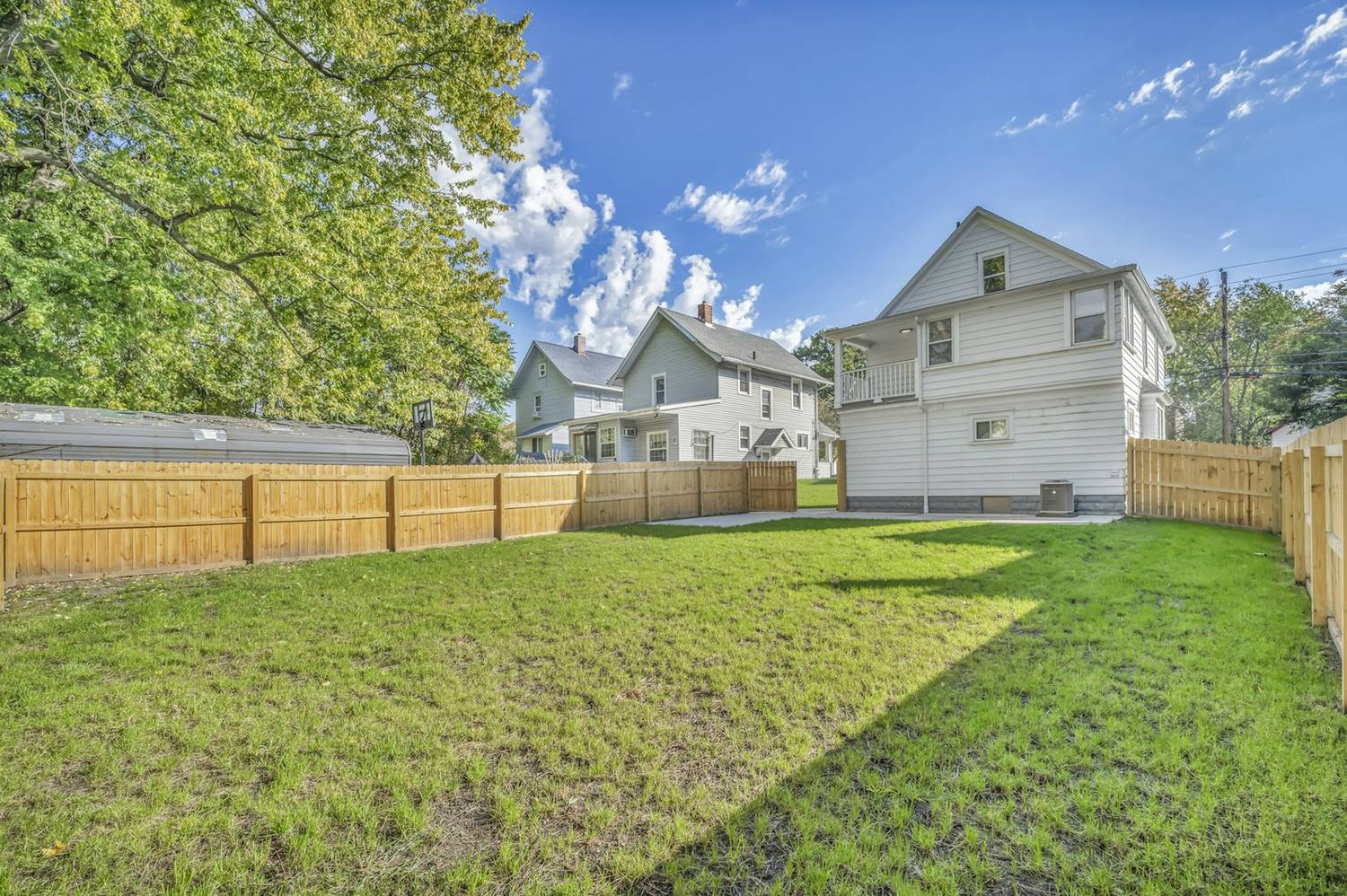
Where the office leaks in fence companies.
Most of these never show up as a single big problem. They show up as a slow month that should have been a good one.
Quotes that get one visit and no follow-up
Homeowners usually collect more than one fence quote, and the estimator is at the next yard an hour later. We connect your drawing or quoting tool to your job software so every quote sent gets a follow-up on a schedule, and you can see what is still open.
Deposits and material orders out of step
The deposit comes in, and the order for panels and posts goes out days later at whatever the supplier charges that week. The deposit is also often booked as a sale. We record deposits as money held for the job and flag any deposit with no material order against it.
Jobs parked behind approvals
A fence can wait on a city permit, an HOA sign-off, a survey and utility marking, and each has its own clock. Utility marking has to be requested through 811 ahead of digging, with notice periods set by each state. We add those steps to the job so the schedule shows what each one is waiting for.
Final balances that drift
The crew finishes on a Friday, the gate latch is on backorder, and the last payment waits for a walk-through that nobody books. We send the final invoice when the job is marked built and keep a short list of balances past due.
We work in what you already run.
Fence shops often pair a drawing and estimating tool such as ArcSite or Fence Cloud with a separate program for customers and scheduling, such as Jobber, JobNimbus or Builder Prime, and keep the accounting in QuickBooks. Smaller shops tend to run one of these plus QuickBooks. The two links that matter are quote to job and job to QuickBooks, and item names have to match across them for either to work cleanly.
- ArcSite
- Fence Cloud
- Jobber
- JobNimbus
- Builder Prime
- QuickBooks Online
A connected week at a 12-person fence shop.
An example of what a fence office looks like when the website, job software and QuickBooks are connected and checked each morning. Nobody retypes anything.
- A homeowner requests a quote for a backyard privacy fence on the website, and the lead appears in the job software with the address, footage and material.
- The estimator measures, draws the layout on a tablet and sends the quote before leaving the driveway.
- No reply yet, so the scheduled follow-up text goes out, and the customer signs and pays the deposit that afternoon.
- The deposit posts to QuickBooks as a customer deposit, the material list goes to purchasing, and the job shows as waiting on permit and utility marking.
- The morning check confirms every connection ran and flags a different job where a deposit arrived three days ago with no material order yet.
- The crew marks the fence built, the final invoice goes out, and the job closes in QuickBooks with materials and labor set against the quote.OK
Books that match how fence companies make money.
Good fence books cost every job on its own, because each yard is a different length, material and ground. A job carries its materials, crew labor or subcontract installers, permit fees and any rented equipment, set against the quote. Deposits stay as a liability until the fence is built. Stock kept in the yard, such as posts and panels, is counted as inventory and moved to a job when it is used. If you use subcontract crews, we keep their paperwork and payments organized so your CPA can file the year-end forms. Some states treat a fence install as an improvement to real property and others tax it differently, so how sales tax applies to your labor and materials is a question for your CPA or state, and we set up tax items to follow the answer.
- Income: Residential installs
- Income: Commercial installs
- Income: Repairs and gates
- Liability: Customer deposits
- Asset: Yard inventory
- Cost of goods sold: Fence materials
- Cost of goods sold: Subcontract installers
- Cost of goods sold: Permits and fees
| Job | Margin |
|---|---|
| 6 ft vinyl privacy, 180 ft | 34% |
| Aluminum pool fence | 34% |
| Wood picket repair | 51% |
| Chain link, dog run | 15% |
| Double drive gate | 39% |
| 5 jobs | 34% |
A site that books the next call.
A fence buyer wants to see the fence. The site needs photos of finished jobs grouped by material, so someone deciding between wood and vinyl can compare. It should explain how a job goes, including permits, HOA approval and utility marking, because buyers who know the timeline are easier to schedule. The quote form should collect the address, rough footage and material, and create the lead in your quoting or job software so the estimator arrives prepared.
- Photo galleries by material: wood, vinyl, aluminum, chain link
- A quote form that asks for address, rough footage and material
- A plain page on how a job goes, from measure to final walk-through
- A page for each town you serve, with a note on local permit rules where you know them
- A form that creates the lead in your quoting or job software
Example search result.
Numbers worth watching.
- Quotes sent against quotes signed
- Estimator time is your main sales cost, and this shows how much of it turns into work.
- Backlog in weeks
- It tells you when to promise a start date and when a slow stretch is coming.
- Material cost against the estimate, per job
- Material prices can move between the quote and the order, and this is where a fence job loses its margin.
- Deposits held for jobs not yet built
- That cash is already spoken for, and treating it as profit is how a busy spring turns into a tight summer.
- Days from job built to final payment
- The balance due at completion is where the profit on the job sits, so every day it waits costs you.
The season.
Fence work follows the yard. Requests climb in spring, installs run hard through summer, and demand drops off toward the end of the year, most sharply in northern markets. The cash pattern is its own problem. The shop buys materials for spring before spring deposits have arrived, then carries a deep backlog where deposits are in the bank and the cost of the work is still ahead. Scheduling in peak season depends less on crew days than on approvals and material deliveries lining up, so a job board that shows what each job is waiting on is worth more than a longer calendar.
Questions fence owners ask.
We quote in a drawing app and schedule somewhere else. Can those be connected?
In most cases, yes. Several fence quoting tools have official connections to common job software and to QuickBooks, and where one is missing we write a script. The free systems check tells you which applies to your setup.
How should customer deposits show up in our books?
As money you are holding for a job, not as income, until the fence is built. We set that up in QuickBooks and give you a running total of deposits held, so you know how much of the bank balance is already committed.
Can you track permits, HOA approvals and utility marking?
Yes. We add them as steps on the job in your job software so each job shows what it is waiting on. Requirements and notice periods differ by town and state, so we set the steps up to match where you work.
Our books are months behind after the busy season. Can you catch them up?
Yes. QuickBooks cleanup is $125 for each month behind, and we rebuild job costs as we go where the records allow it. We are bookkeepers, not accountants, so your CPA still files the taxes.
Sources
- Sunshine 811: homeowner guidance (fence projects need a locate request)
- Texas811: homeowner guidance (contractor responsibility and notice period)
- Dominion Energy: call 811 before you dig
- PermitFlow: fence permit guide (permits, HOA approval, surveys)
- ArcSite: fence estimating software
- Zapier: Fence Cloud integrations
- JobNimbus: fence software
- Jobber: fence software
- Builder Prime: fencing software
- Jobber community: fence installer discussion of the slow winter season
- Crestmont Capital: fence company financing (seasonal demand and upfront material costs)
- Avalara: sales tax requirements for construction contractors (rules differ by state and contract type)
Start with a free systems check.
Twenty minutes on a call. You get a written list of what we found and a fixed quote, whether or not you hire us.
- Fixed price, quoted before any work starts
- Every account stays in your name
- Month to month after the first three months