Service calls and project work, kept straight in one set of books
Most electrical shops run two businesses at once: same-day service and jobs that take weeks. We connect your website and job software to QuickBooks so both get billed in full and you can see which one makes the money.
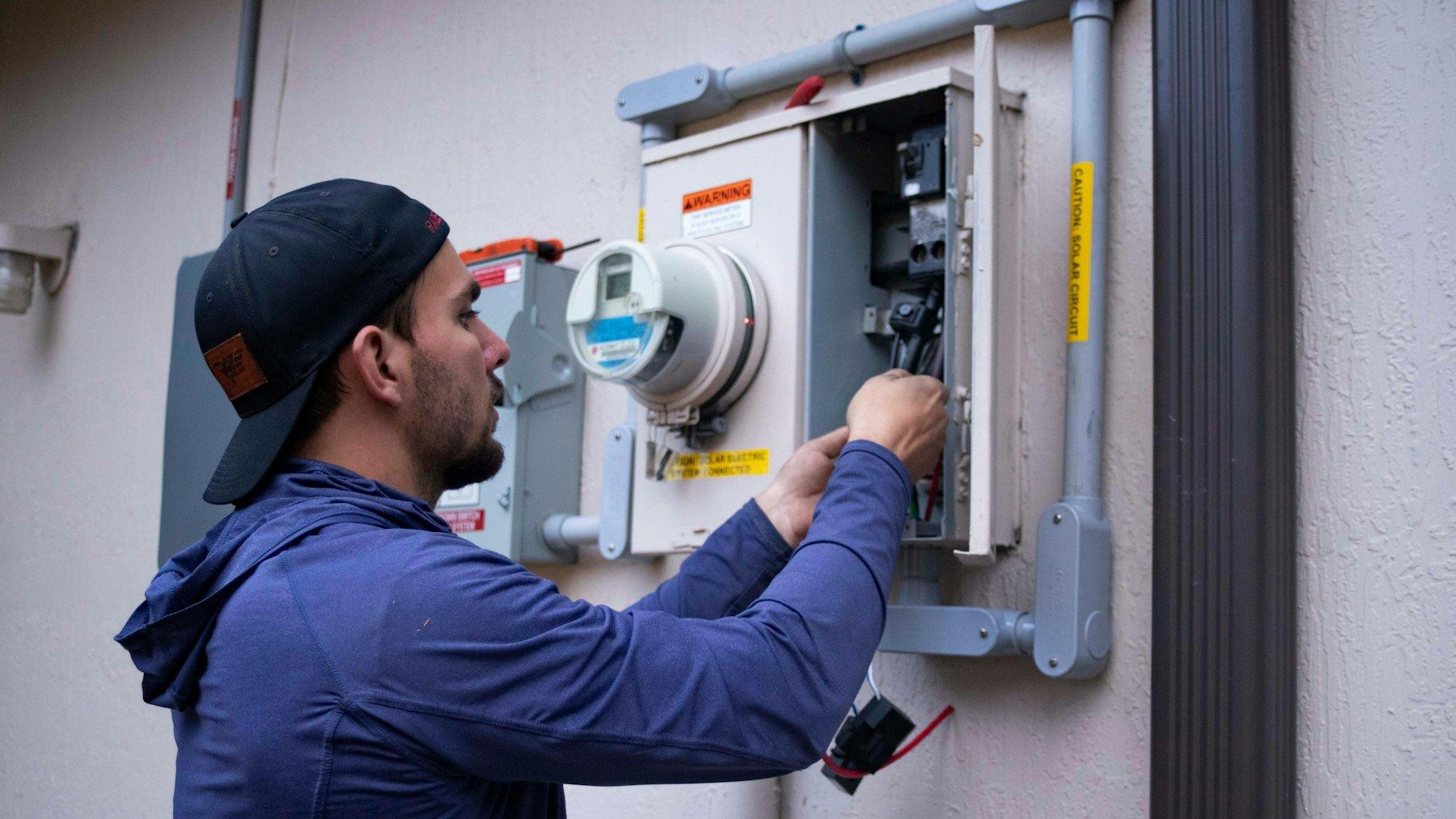
Where the office leaks in electrical contractors.
Most of these never show up as a single big problem. They show up as a slow month that should have been a good one.
Change orders agreed on site
The customer adds two circuits while the panel is open, the electrician says yes, and the invoice goes out at the original price. We set up change orders in your job software so an approved extra becomes a line on the invoice and a cost on the job in QuickBooks.
Final invoices waiting on an inspection
The work is done, the inspector is booked for next week, and the final bill sits until someone remembers it. We add a status for jobs waiting on inspection and a daily list of finished work that has not been invoiced.
Progress billing that falls behind
On a commercial fit-out, the bill for each stage and the retainage held back are easy to lose in a system built for service calls. We track what is billed and what is held back on each job, so you know what you are owed and when you can ask for it.
Quote requests that need a photo
A panel upgrade or EV charger quote usually starts with a picture of the panel and the meter. If the form does not ask, the office spends days trading emails. We build the form to collect what the estimator needs and create the lead in your job software.
We work in what you already run.
Reviewers generally place Housecall Pro and Jobber with small residential service shops, and ServiceTitan with larger service operations that have office staff. Shops with a heavy share of commercial project work are more often pointed to Simpro or BuildOps, which are built around longer jobs. FieldEdge is frequently recommended to shops that want a close tie to QuickBooks.
- ServiceTitan
- Housecall Pro
- Jobber
- FieldEdge
- Service Fusion
- Simpro
- BuildOps
- QuickBooks Online
A connected week at a 12-person electrical shop.
An example of what an electrical office looks like when the website, job software and QuickBooks are connected and checked each morning. Nobody retypes anything.
- A homeowner asks for an EV charger quote on the website and uploads photos of the panel, which creates a lead in the job software with the photos attached.
- The estimator sees the panel is full, quotes the charger with a subpanel, and sends the quote from the job software.
- The customer approves and pays a deposit, which posts to QuickBooks as a customer deposit against the job.
- During the install the customer adds an outdoor outlet, and the electrician records it as a change order on the tablet.
- The inspection passes, the final invoice goes out with the change order on it, and both post to QuickBooks with materials and labor against the job.
- The morning check confirms every connection ran and lists two other finished jobs that have no final invoice yet.OK
Books that match how electrical contractors make money.
Good electrical books are built around the job. Each one carries its own wire and gear, labor hours, permit fees and subcontract costs, measured against the estimate. Service calls are kept apart from project work so each shows its own margin. Change orders are recorded when they are approved. On commercial work, retainage is tracked as money owed to you and not mixed in with ordinary receivables, and deposits for gear with long lead times sit as a liability until it is installed. Sales tax on electrical labor and materials depends on your state, and often on whether the job is a repair or new construction, so we set up tax items to match what your CPA advises.
- Income: Service calls
- Income: Residential projects
- Income: Commercial projects
- Asset: Retainage receivable
- Liability: Customer deposits
- Cost of goods sold: Wire, devices and gear
- Cost of goods sold: Permits and inspection fees
- Cost of goods sold: Subcontractors
| Job | Margin |
|---|---|
| EV charger, 60A circuit | 40% |
| 200A panel upgrade | 34% |
| Service call, dead outlets | 68% |
| Kitchen remodel wiring | 15% |
| Generator inlet and interlock | 47% |
| 5 jobs | 28% |
A site that books the next call.
People check an electrician before they call, because the work is behind the walls and they cannot judge it themselves. Electrical licensing is set by the state in some places and by the city or county in others, so the site should show the license you hold and who issued it. After that it needs a page for each kind of job people search for, and a quote form that collects enough detail for a real estimate. If you do commercial work, give general contractors and property managers their own page.
- License number and issuing authority on every page
- Pages for panel upgrades, EV chargers, generators and troubleshooting
- A quote form that asks for panel and meter photos
- A separate page for commercial work and general contractors
- A page for each town you serve, with a form that creates the lead in your job software
Example search result.
Numbers worth watching.
- Gross margin on service against projects
- The two lines of work carry different labor and material risk, and a blended number hides which one is slipping.
- Finished work not yet invoiced
- Every day a completed job waits for a bill is a day you are financing the customer.
- Estimated labor hours against actual
- Labor is where electrical bids go wrong, and you can only bid better if you can see the miss per job.
- Retainage outstanding
- Money held back on commercial jobs is often released only when the whole project closes, so it needs its own line and a reminder.
- Open quotes on panels, chargers and generators
- These are considered purchases, and the shop that follows up tends to get the job.
The season.
Electrical work is flatter across the year than heating and cooling, and how seasonal it feels depends on your mix. Service shops tend to see more calls in summer and again around the holidays, and storm outages bring generator and repair requests in bursts. Project work follows the building calendar, so cold-climate shops tied to new construction slow down in winter. Cash follows billing more than weather. Progress payments and retainage on commercial jobs can leave a busy shop short, which is why unbilled work and held-back money need to be visible every week.
Questions electrical owners ask.
We do service and construction. Can one set of books show both properly?
Yes. We set up classes or separate income and cost accounts so service and project work each show their own margin, and each project is costed against its estimate. You keep one QuickBooks file.
Can you track retainage and progress billing?
Yes. We record retainage as its own receivable and keep a view for each job of what is billed and what is held back. If your job software does not send that to QuickBooks, we write a script that does.
We estimate in one program and schedule in another. Can those be connected?
Often, yes. We start with the free systems check to see what each program can send and receive, then use the official integration if it exists or build a script if it does not. Connect your software starts at $525.
Are you accountants?
No. We are bookkeepers. We keep the books accurate and job-costed, and your CPA handles tax filings and questions like how to treat long contracts at year end.
Sources
- Next Insurance: electrical contractor licensing requirements by state
- Jobber Academy: electrician license requirements, state by state
- NFPA: NEC enforcement maps (code adoption differs by state)
- Signpost: what months are busiest for electricians
- ServiceTitan: installed generator demand trends
- Levelset: retainage guide
- Simpro: electrical job management software by job type
- Field Service Software IO: software for electrical service companies (shop-size fit)
- Avalara: sales tax requirements for construction contractors (rules differ by state and contract type)
Start with a free systems check.
Twenty minutes on a call. You get a written list of what we found and a fixed quote, whether or not you hire us.
- Fixed price, quoted before any work starts
- Every account stays in your name
- Month to month after the first three months