Storm work billed and crew days costed, every week
Tree work is sold one estimate at a time and done by expensive crews with expensive iron. We connect your estimating software to QuickBooks and keep the books so you know which jobs paid for the day.
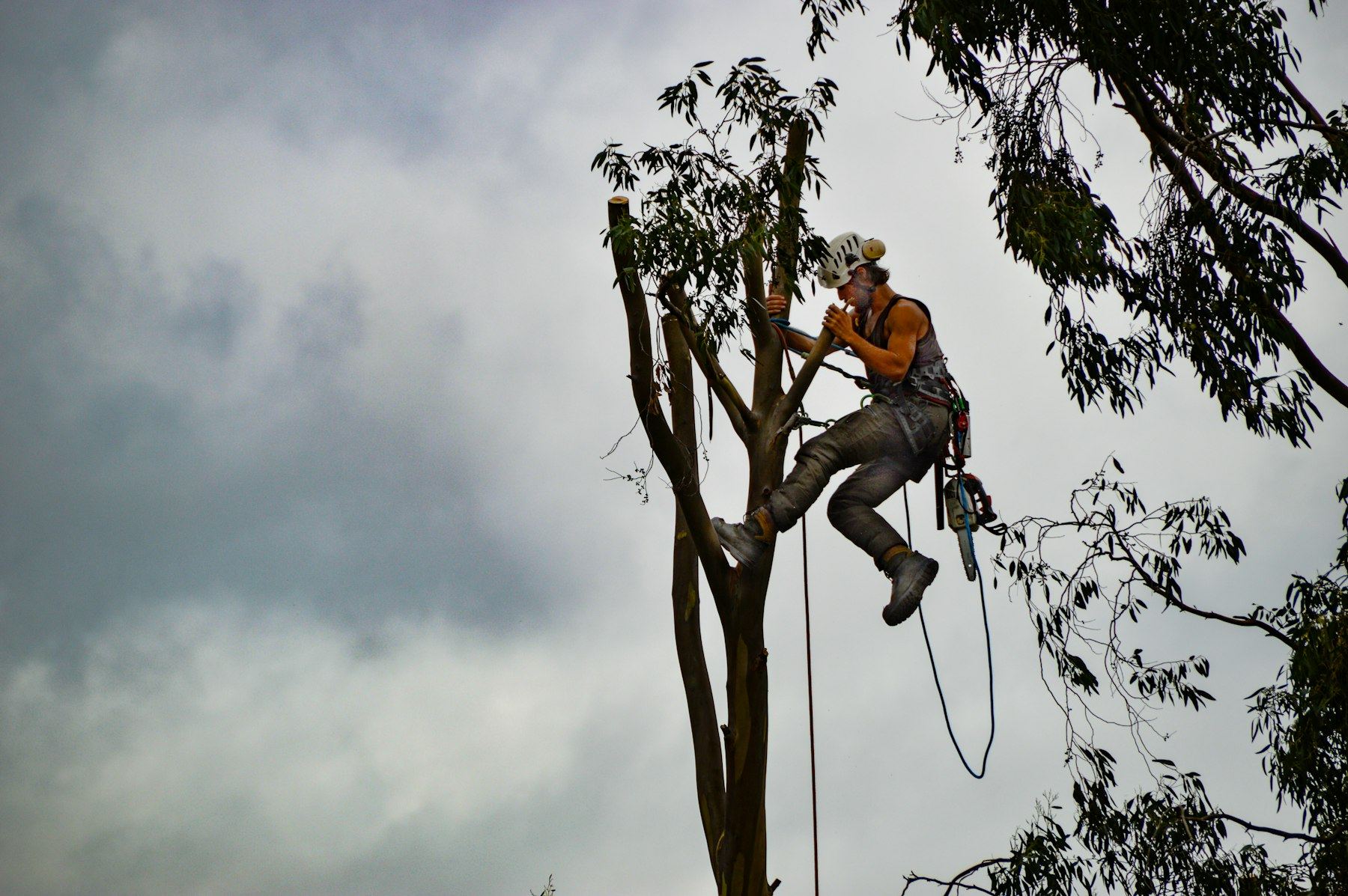
Where the office leaks in tree service companies.
Most of these never show up as a single big problem. They show up as a slow month that should have been a good one.
Estimates that never get a second call
An estimator walks six properties in a day and sends six proposals. The homeowner is collecting other bids, and the company that follows up tends to get the job. We set up follow-ups that go out from your software on a schedule and stop the moment the proposal is accepted.
Storm calls taken on scraps of paper
After a wind or ice storm the phone does not stop, and addresses end up on notepads and in text threads. Work gets done at emergency speed and billed weeks later, if at all. We give storm intake one path into the job software so every address becomes a job with a price.
Extras agreed in the driveway
The crew is already there, so the customer asks for one more limb down or the stump ground. It gets done and nobody tells the office. We add a change line the crew lead can enter from a phone, and it lands on the invoice.
Jobs priced without the real crew cost
A removal priced from memory can lose money once you count the crane rental and a climber's full day. If hours and equipment never reach the job record, every bid is a guess. We tie crew time and job costs back to each job in QuickBooks so the next bid starts from a real number.
We work in what you already run.
Owner-run crews often start on Jobber or a similar general tool with QuickBooks behind it. Companies that add crews, plant health care or a sales arborist tend to move to tree-specific software such as Arborgold, SingleOps or ArboStar. QuickBooks connections differ a lot between these products, so we check what yours sends before deciding between the official integration and a script.
- Arborgold
- SingleOps
- ArboStar
- ArborNote
- Jobber
- QuickBooks Online
- QuickBooks Desktop
A connected week at a 12-person tree service company.
An example of what a tree service office looks like when the website, job software and QuickBooks are connected and checked each morning. Nobody retypes anything.
- The morning check shows nine open proposals, two of them a week old with no follow-up, and both get a call.
- A homeowner uploads photos of a leaning oak through the website form, and it becomes an estimate request in the tree software.
- The estimator sends a proposal from the driveway and the customer accepts it online that night with a deposit.
- The deposit posts to QuickBooks as a customer deposit against that job.
- The crew finishes, the lead adds a stump grinding line the customer asked for, and the final invoice goes out.
- The morning check confirms the invoice is in QuickBooks with the crane rental and dump fee costed to the job.OK
Books that match how tree service companies make money.
Good books for a tree company show profit by job and by crew, with labor and equipment counted against the work. Equipment is the big one. Bucket trucks and chippers carry loans, repairs and depreciation, and each machine should be visible separately. Workers' comp premiums are based on payroll by type of work, so we keep payroll coded cleanly, which is what an insurance audit asks about. Deposits on large removals are held as a liability until the job is done. Subcontracted crane and stump work is tracked so year-end contractor forms are easy for your CPA. Sales tax on tree work varies by state and can differ between removal and plant health care. We follow the rule your CPA confirms and they file the taxes.
- Income: Removals
- Income: Pruning
- Income: Stump grinding
- Income: Plant health care
- Income: Storm and emergency work
- Cost of service: Crew wages
- Cost of service: Crane and equipment rental
- Cost of service: Dump and disposal fees
| Job | Margin |
|---|---|
| Oak removal, crane day | 34% |
| Storm cleanup, 2 trees | 58% |
| Pruning, 6 trees | 51% |
| Stump grinding, 4 stumps | 60% |
| Lot clearing, half acre | 11% |
| 5 jobs | 29% |
A site that books the next call.
A homeowner hiring a tree company is letting a crew run saws over their roof, so the site has to settle the trust question first. That means showing insurance and credentials plainly. Some states license the trade itself. Connecticut requires an arborist license to advertise or contract for arboriculture, Rhode Island requires arborists to be licensed, and Maryland requires a tree expert license. Where you hold a state license or an ISA Certified Arborist credential, the number belongs on the page.
- Proof of liability and workers' comp coverage, offered on request
- State arborist license and ISA credential numbers where you hold them
- An estimate form that accepts photos of the tree
- A storm and emergency page with a number answered after hours
- Separate pages for removal, pruning, stump grinding and plant health care
Example search result.
Numbers worth watching.
- Revenue per crew day
- A crew and its trucks cost about the same every day, so this is the fastest read on whether the schedule is priced right.
- Estimates sent and estimates won
- It tells you whether you have a lead problem or a follow-up problem.
- Backlog in crew days
- It tells you when to stop discounting and when to push dormant-season work.
- Equipment repair spend by machine
- A chipper or bucket truck that needs repairs every month may be costing more than its payment.
- Unbilled completed jobs
- Storm work in particular gets done fast and invoiced late.
The season.
Tree work has two clocks. One is the calendar: the growing season is full, and winter is slower in cold states, though dormant-season pruning is good work that often gets sold too late. The other is the weather, which ignores the calendar. The Tree Care Industry Association's magazine describes commercial tree companies as a major part of the response after hurricanes and ice storms. A storm week brings overtime, rented equipment and a pile of unbilled jobs all at once. We set the books up so storm work is tracked as its own income line, and we check each morning that completed jobs have invoices, which matters most in the weeks you are too busy to look.
Questions tree service owners ask.
Can you connect our tree software to QuickBooks?
In most cases, yes. Arborgold and SingleOps advertise QuickBooks integrations, and other products offer exports. We use the official connection where it does the job and write a script where it does not.
Can we see profit per job and per crew?
Yes, if crew hours and job costs are recorded somewhere, even roughly. We connect time tracking and bills to jobs in QuickBooks. After a month or two you can compare a bid to what the job cost.
How should storm work be handled in the books?
As its own income line, with the overtime and rentals that came with it. That keeps a storm month from distorting your normal numbers. It also makes it easy to see whether emergency rates covered the cost.
Do you deal with arborist licensing or insurance audits?
No. Licensing is between you and your state, and your insurance agent handles the audit. We keep payroll and subcontractor records clean enough that the audit is a report you can hand over.
Sources
- Connecticut DEEP: commercial arborist license
- Rhode Island DEM: licensed Rhode Island arborists
- Maryland DNR: licensed tree expert
- International Society of Arboriculture: ISA Certified Arborist
- TCI Magazine (Tree Care Industry Association): storm response considerations
- Arborgold: reasons tree care companies prune in winter
- Arborgold
- SingleOps
- ArboStar
- ArborNote
- Avalara: state-by-state guide to sales tax on services
Start with a free systems check.
Twenty minutes on a call. You get a written list of what we found and a fixed quote, whether or not you hire us.
- Fixed price, quoted before any work starts
- Every account stays in your name
- Month to month after the first three months